The 2026 Mahjong Trend
Somewhere between padel and Pilates, mahjong became the plan — the one that lives on the calendar and needs a group text. Here's what's actually happening.
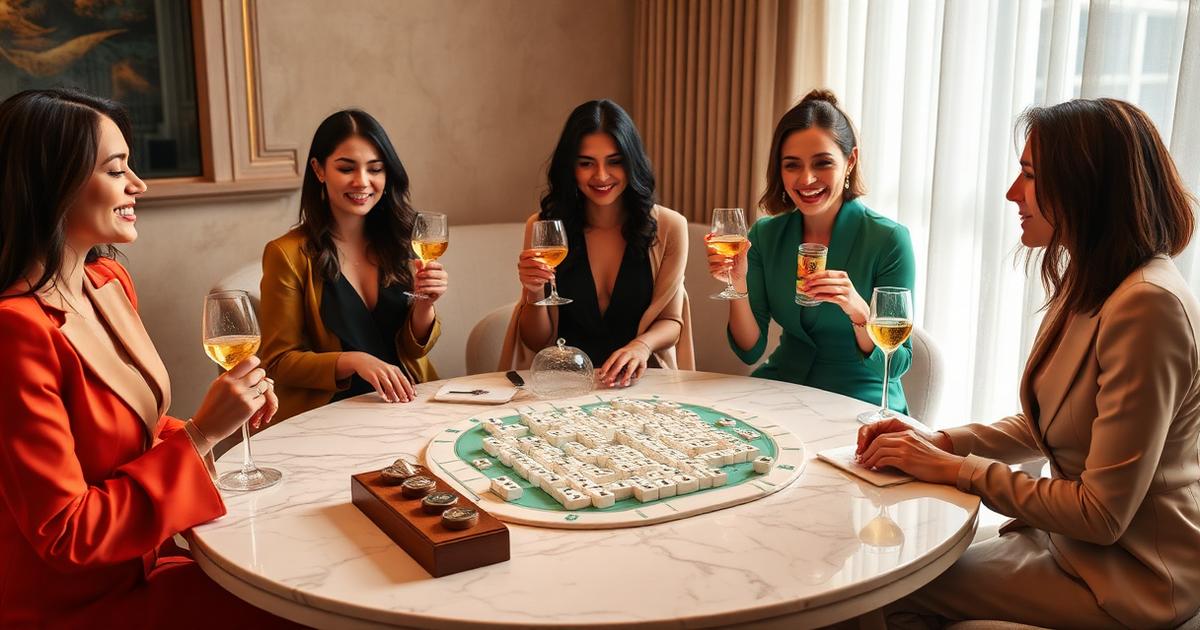
The tell was on Instagram
The trend started to look real when Sarah Jessica Parker and Julia Roberts were both photographed at mahjong nights within a few weeks of each other. Grazia ran a "chic mahjong revival" cover story. Then Brunello Cucinelli released a walnut, brass, and Krion mahjong set for $16,000 — and sold out.
The Gen Z on-ramp
In parallel, Gen Z discovered mahjong as an offline hobby — the same generation that made run clubs and pickleball big. Cafe Kowloon in London Fields, mahjong nights in Brooklyn, Chennai clubs forming from scratch: Eventbrite counted a 179% rise in mahjong events between 2023 and 2025.
Why now?
- Screen fatigue. A game that requires four humans, tiles, and no phones is the whole appeal.
- Cultural rediscovery. Asian-American creators reframed mahjong as a family heritage practice, and non-Asian players followed with respect for the origin.
- The aesthetic works. Bone-and-bamboo tiles, felt tables, low light. It looks great on camera without trying.
- Third places came back. Cafes and bars started hosting nights. Mahjong turned into a reason to leave the house.
Is it a fad?
Mahjong is 200 years old and has already survived one American boom (the 1920s craze that sold a million sets). This wave is bigger and better distributed. It won't stay at this peak, but the number of people who now know the game is a step change, not a spike.
How to join in without buying a $16k set
Play a few browser hands to learn the rhythm, find a local Meetup or library game, then buy a $80 melamine set once you know you like it. Nobody at a real table cares what your tiles are made of — they care that you know when to call pung.