How to Play American Mahjong (NMJL)
American mahjong is its own game. Same tiles, same draw-and-discard rhythm, but the hands you can win are printed on a card that changes every year.
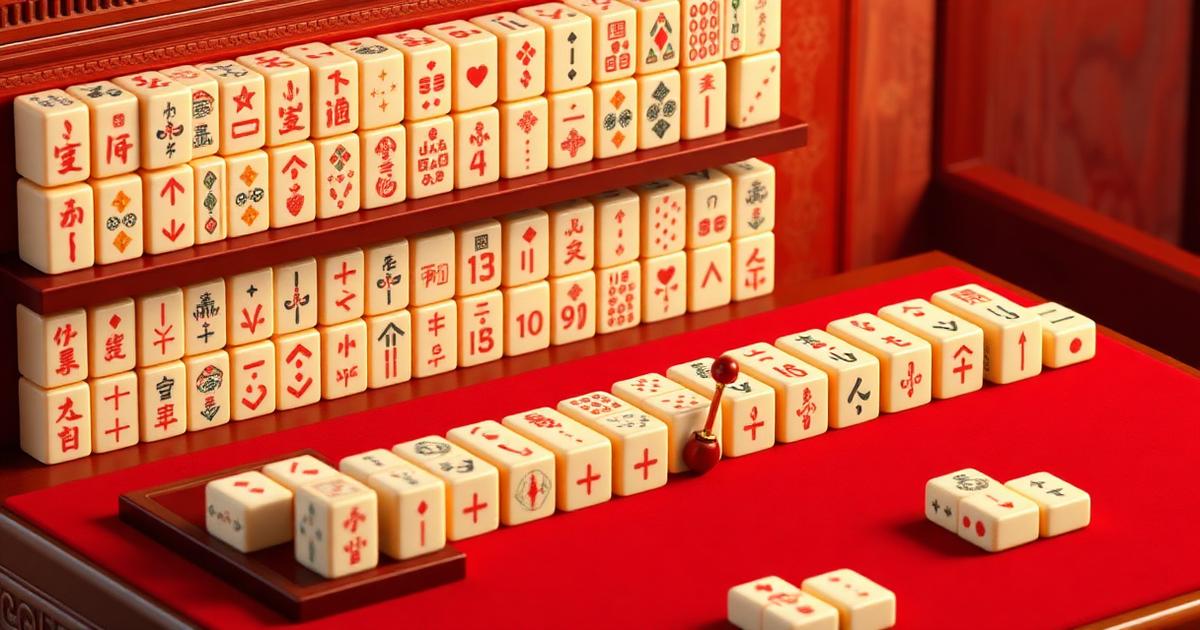
What makes American mahjong different
American mahjong is governed by the National Mah Jongg League (NMJL). Unlike Chinese mahjong — where any "four sets + a pair" can win — American mahjong only recognizes the specific hands printed on the annual NMJL card. A new card comes out every April, and last year's card is no longer legal in tournament play.
The tiles
American sets add eight jokers to the standard 144 tiles. Jokers act as wildcards inside exposed pungs, kongs, and quints — but never in pairs or singles.
The Charleston
Before play begins, players pass tiles around in a ritual called the Charleston:
- Right — pass three tiles right.
- Across — pass three tiles across.
- Left — pass three tiles left.
- An optional second Charleston goes left, across, right.
- A final courtesy pass of up to three tiles with the player across.
The Charleston gives players a chance to shape their hand toward a card pattern before drawing begins.
The turn
Same as classic mahjong: draw, optionally expose, discard. The big difference is what you're building toward — every hand must match a specific line on the card, exactly.
Calling discards
You may call any discard to complete an exposed meld (pung, kong, or quint) for a hand you're working on. You must name the hand you intend to make. Once exposed, your hand is locked into that line on the card.
Winning
When your hand exactly matches a card line — for example a specific run of dots and a pair of dragons — call mahjong and reveal. The card lists payouts (in points or chips) next to each hand; concealed hands and harder patterns pay more.
American vs Chinese: at a glance
- Hands: fixed list on a card vs. any 4 sets + pair.
- Jokers: yes (8) vs. none.
- Chows: not allowed in American vs. allowed in Chinese.
- Setup ritual: Charleston vs. none.
In Mahjong Pop, the American (NMJL-style) ruleset is a Pro feature — the classic Chinese ruleset is free forever and is a great place to learn the basics first.